---
title: Learning From Brian Williams
description: The scandal surrounding his “misremembering” of past events has made him material for the tabloids. It’s also forced him off the air.
image: https://blog.madisonpg.com/hubfs/Blog/3.3.15.jpg
---
[](https://cta-redirect.hubspot.com/cta/redirect/3918987/d6f03f8d-d1f0-47e3-947e-1f6cb37134e4)
[ ](https://www.facebook.com/madisonperformancegroup) [ ](https://twitter.com/madisonpgroup) [ ](https://www.linkedin.com/company/madison-performance-group) [ ](https://www.instagram.com/madisonperformancegroup/)
[](https://recognition.madisonpg.com/)
[](https://cta-redirect.hubspot.com/cta/redirect/3918987/d6f03f8d-d1f0-47e3-947e-1f6cb37134e4)
[ ](https://www.facebook.com/madisonperformancegroup) [ ](https://twitter.com/madisonpgroup) [ ](https://www.linkedin.com/company/madison-performance-group) [ ](https://www.instagram.com/madisonperformancegroup/)
# Learning From Brian Williams
March 3, 2015
| By[Mike Ryan](https://blog.madisonpg.com/author/mike-ryan)
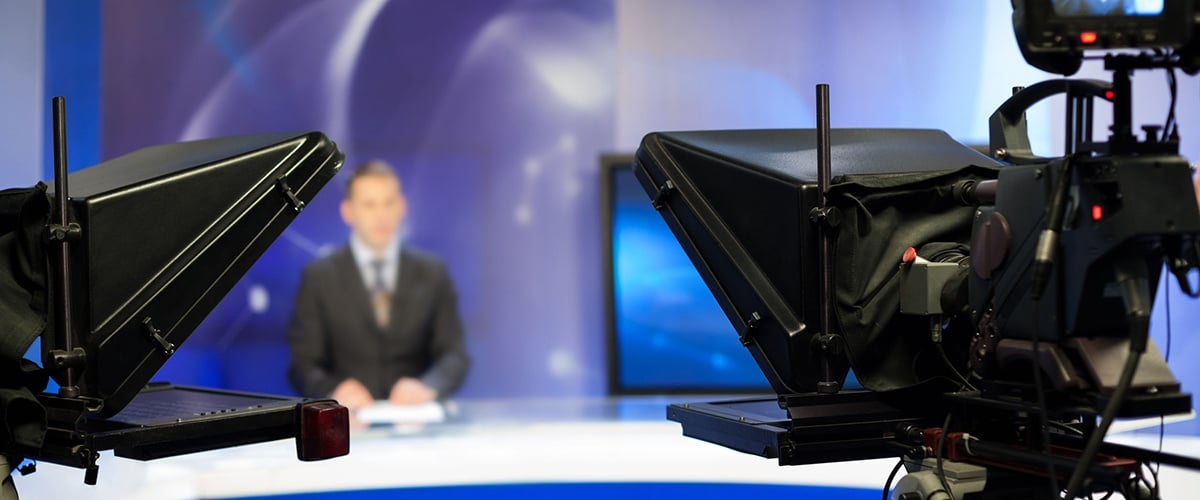
Brian Williams has been in the news recently. Not on, in. The scandal surrounding his “misremembering” of past events has made him material for the tabloids. It’s also forced him off the air.
A news anchor that bends the truth is seen as distrustful at worst, inauthentic at best. Mr. Williams lost his credibility and along with it his audience’s confidence. People tune out someone they don’t believe in.
Now think about trust and legitimacy in the context of your company’s culture. Is your internal brand authentic? Is it perceived as real or do managers say one thing and do another? Is your employee audience confident in your leadership or have they tuned them out as well?
Trust is a fragile thing. It builds up in increments. It takes time to earn and can crumble quickly. Every interaction between leaders and employees either strengthens or weakens that foundation. Employees pay close attention to whether leaders follow through on commitments, communicate honestly, recognize contributions fairly, and model the behaviors they expect from others. When words and actions are aligned, trust grows naturally. But when promises are broken, recognition is inconsistent, or leadership behaviors contradict the organization's stated values, confidence begins to erode. When employees feel that you are not who you say you are, they will change jobs, not channels. In today's competitive labor market, organizations cannot afford to underestimate the impact that trust has on engagement, retention, and long-term business performance.
.That’s why employee recognition is so important. It keeps everyone inside your company focused on what the brand stands for. It helps managers reinforce what’s important, to the business and to the people who work for it. It keeps employees tuned in to a message that resonates as real and authentic. More importantly, recognition demonstrates that leadership's values are more than words on a wall—they are behaviors that are noticed, celebrated, and consistently reinforced. When employees see recognition aligned with the organization's mission and values, they gain confidence that leadership is committed to living those principles every day. Over time, those consistent moments of appreciation help strengthen credibility, deepen trust, and build a culture where employees believe in both the message and the people delivering it.
Brian Williams took his audiences’ trust for granted. Don’t make that mistake with your employees.
### Subscribe to Our Blog
### Recent Posts

### ABOUT THE COMPANY
**Madison creates cultures where employees love to work, learn, connect & succeed. **
As a global leader in Social Employee Recognition, Madison delivers intuitive and multi-faceted Recognition, Incentive, and Service Anniversary programs powered by Maestro, our uniquely configurable cloud-based SaaS technology.
With Maestro, our clients use social employee recognition to strengthen the bond between managers and their teams; and the relationship between employees and their companies.
### SOLUTIONS
[Maestro](https://recognition.madisonpg.com/maestro)
[Social Recognition](https://recognition.madisonpg.com/social-recognition)
[On-The-Spot](https://recognition.madisonpg.com/on-the-spot)
[Life Events](https://recognition.madisonpg.com/life-events)
[Reporting & BI](https://recognition.madisonpg.com/reporting-bi)
[Global Storefront](https://recognition.madisonpg.com/global-storefront)
[Integrations](https://recognition.madisonpg.com/integrations)
[Performance Management](https://recognition.madisonpg.com/performancemanagement)
### COMPANY
[About](https://recognition.madisonpg.com/at-a-glance)
[Blog](https://blog.madisonpg.com/)
[Careers](https://recognition.madisonpg.com/join-our-team)
[Press](https://recognition.madisonpg.com/press-releases)
### CONTACT
315 Madison Avenue
New York, NY 10017
212-758-4385
[info@madisonpg.com](mailto:info@madisonpg.com)
[ ](https://www.facebook.com/madisonperformancegroup) [ ](https://twitter.com/madisonpgroup) [ ](https://www.linkedin.com/company/madison-performance-group) [ ](https://www.instagram.com/madisonperformancegroup/)
[MADISON | Copyright ©2020 | All Rights Reserved | [Privacy Policy](https://www.madisonpg.com/privacy) | [Terms & Conditions](https://www.madisonpg.com/terms-conditions)
](https://www.instagram.com/madisonperformancegroup/)
 